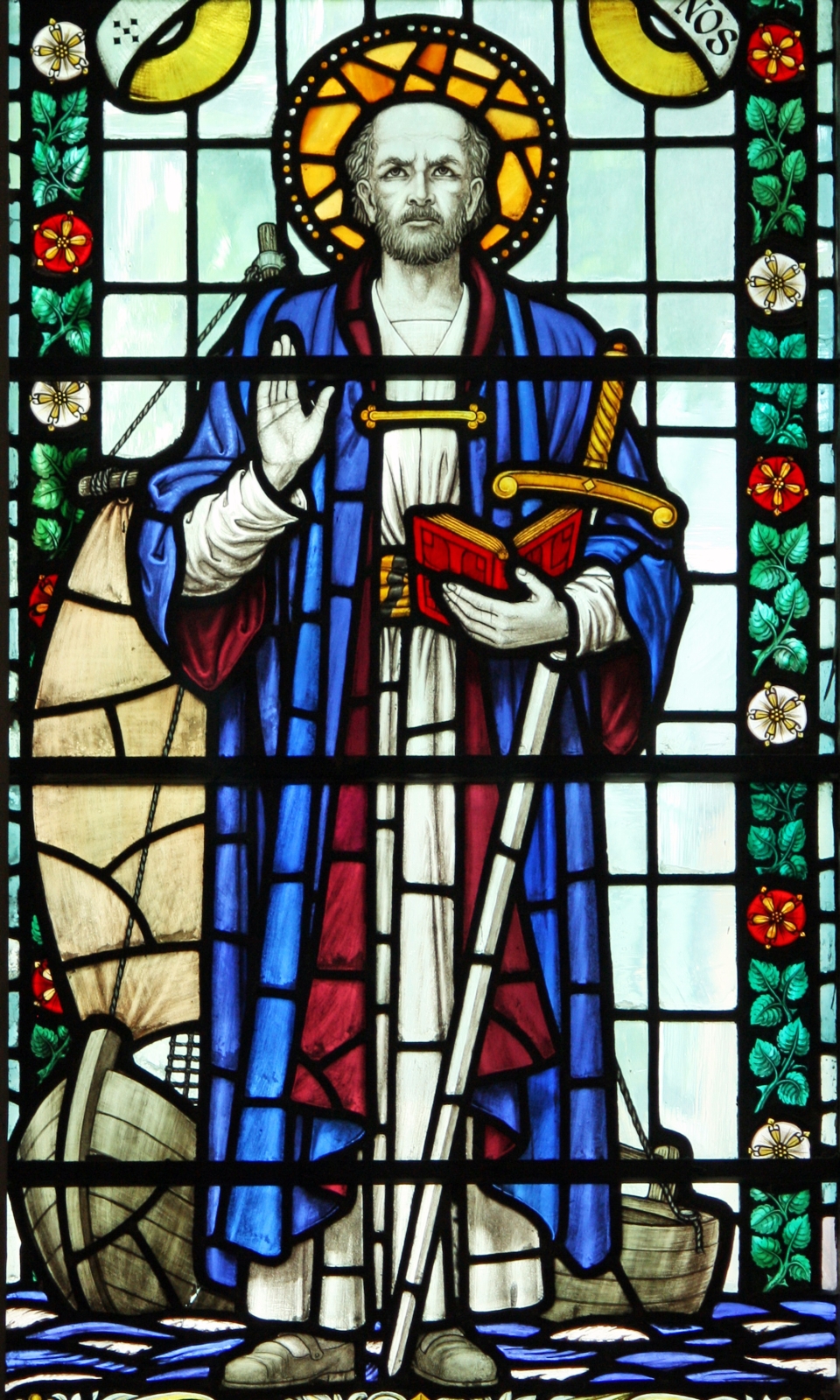
I'm pleased to let you know about a book published by Civitas Press that is being released on May 1, entitled "The Practice Of Love: Real Stories Of Living Into The Kingdom of God."
It's a collection of essays about people practicing the love of Christ. I usually don't recommend books to you, but I have a selfish motive for this one. I wrote an essay for it.
I've been spotty in my posting lately because I've been doing some writing on the side. My mother was an author and I remember the process she had to endure to get books published. She'd send off manuscripts and query letters by the dozens to only get a barrage of rejections, but she'd press forward.
For me, in this information rich age, the process was easier and I thank God for His mercy and the people at Civitas. I made a comment in a post one day about writing and was contacted the next day by the editor at Civitas Press. They have a heart for writers and good writing. Jonathan Brink, the editor, has made me into a better writer with a lot of input.
I was asked to write a submission on what it means to love oneself. At first, I inwardly scoffed at the idea. I thought, "I love myself just fine, maybe too much." But the request came at a time when I was struggling with reconciling with people I had hurt through my fall.
While writing my submission, I had a breakthrough and realized that I had spent a lot of time beating myself up over sins that God had already forgiven me for. I realized that Christ loved me despite my sin and that He had freely forgiven it. On the other hand, I still hated myself for what I had done. That was the basis for my essay.
I hope you'll buy the book which is available through the publisher and will also soon be available on Amazon. Either way, thank you for taking the time to be a faithful reader.
The account of a former Southern Baptist Pastor who fell from grace, unforgiven by his church, after breaking the seventh commandment.
"What can a ruined soul, like mine, effect towards the redemption of other souls?—or a polluted soul, towards their purification?"
This blog has been moved to www.fallenpastor.com.
Showing posts with label Christ. Show all posts
Tuesday, April 5, 2011
Wednesday, March 23, 2011
Learning From Chris Brown: Moving Past Ourselves
Singer Chris Brown sat down with Robin Roberts of Good Morning America yesterday for an interview before he sang a single from his new album, "F.A.M.E."
Roberts asked Brown about his past with singer Rihanna and the restraining order that was placed against him due to violence against her. Brown was agitated with the questions, performed his song, then went to his dressing room and allegedly busted out the window.
Here's the video of the interview:
I don't have a dog in the hunt because I don't really care about the entertainment industry as a whole. It did cause me reflection on my own life, however.
Brown said that "F.A.M.E." stood for "Forgiving All My Enemies." I don't know what sparked the dressing room melee, but it seems it was the questioning by Roberts about his past. Maybe I'm wrong.
I am sympathetic towards him in his journey, however. I'm not sympathetic towards his sin. I was where he was at one point. I can identify with his frustration.
At one point, I thought I had moved past my adultery, humbled myself, and was in a place where I was moving on enough to talk to people at my former church. I thought that if the topic of my former sin was brought up, or if I was confronted with it, I would be fine and could let it roll off my back. Even if someone told me what a wretch I was and wanted to hound me about it (which Roberts wasn't doing, in my opinion), I would be okay. I thought I could just smile and own up.
But I was wrong. I was fooling myself. That process took much longer than I thought. It takes a humbling work of God to show us that we are prideful people who need to confess that we are lowly people who have much work to do.
Sometimes, deep within us, we still hold on to the idea that despite our awful sin, we were somehow right. Sure, circumstances may occur to lead us in a certain direction in life. And at times, people may treat us poorly after we sin, but sin is still sin.
Until we take ownership of that sin and confess it and say, "You know what? Sin is sin. I messed up," we can never really "forgive all our enemies." We will never be able to look them in the eye with the confidence that Christ has forgiven us, even if they persecute us.
Because when Christ has forgiven, who is left to condemn us?
Roberts asked Brown about his past with singer Rihanna and the restraining order that was placed against him due to violence against her. Brown was agitated with the questions, performed his song, then went to his dressing room and allegedly busted out the window.
Here's the video of the interview:
I don't have a dog in the hunt because I don't really care about the entertainment industry as a whole. It did cause me reflection on my own life, however.
Brown said that "F.A.M.E." stood for "Forgiving All My Enemies." I don't know what sparked the dressing room melee, but it seems it was the questioning by Roberts about his past. Maybe I'm wrong.
I am sympathetic towards him in his journey, however. I'm not sympathetic towards his sin. I was where he was at one point. I can identify with his frustration.
At one point, I thought I had moved past my adultery, humbled myself, and was in a place where I was moving on enough to talk to people at my former church. I thought that if the topic of my former sin was brought up, or if I was confronted with it, I would be fine and could let it roll off my back. Even if someone told me what a wretch I was and wanted to hound me about it (which Roberts wasn't doing, in my opinion), I would be okay. I thought I could just smile and own up.
But I was wrong. I was fooling myself. That process took much longer than I thought. It takes a humbling work of God to show us that we are prideful people who need to confess that we are lowly people who have much work to do.
Sometimes, deep within us, we still hold on to the idea that despite our awful sin, we were somehow right. Sure, circumstances may occur to lead us in a certain direction in life. And at times, people may treat us poorly after we sin, but sin is still sin.
Until we take ownership of that sin and confess it and say, "You know what? Sin is sin. I messed up," we can never really "forgive all our enemies." We will never be able to look them in the eye with the confidence that Christ has forgiven us, even if they persecute us.
Because when Christ has forgiven, who is left to condemn us?
Friday, March 4, 2011
Why We're All Pharisees, Part Deux: We Are A Brood Of Vipers
Christ came primarily to earth to die in our place. He bore the weight of our sin and God's wrath.
However, in the meantime, He did a lot of other cool stuff. He taught, confronted, showed compassion,and loved.
One of the things He came to do was to destroy the political, social, and economic barriers that existed. I'm not arguing for a pure social gospel, although there are merits to that.
What I am saying is that Christ completely busted people's cliques, social circles, religious groupings, and safety nets. He especially concentrated on the Pharisees.
How many times did he tick those guys off? He blatantly broke their rules to prove points. He didn't wash hands like they wanted. He healed on the Sabbath. He spoke to tax collectors, Gentiles, adulterers, the infirm, and everyone else the Pharisees didn't want in their synagogue.
We read those stories in Sunday School, hear them preached and think two things.
First we think, "How dare those Pharisees act like that toward Jesus and those poor sinners!" Of course, we'd never do that. Would we?
Secondly, we think, "Well, those sinners must have been just fine after they met Christ. They must have said a sinners prayer or whatever we do these days and been right as rain."
As to the first statement, isn't it interesting how our churches look? I'm speaking in broad generalities, of course, but visit a church sometime and you won't see much different from one end of the spectrum to the other.
For instance, visit the local First Baptist and you'll likely find upper class to middle class people (and maybe a small percentage of lower middle class). They flock together in church. Just like our neighborhoods, we tend to live near people like us and we find people like us to worship with.
What's worse, there are some in church who will find the opportunity to look down on those who are less than them. The upper-class will look down on the middle or lower class. The middle class will look down on the lower class and even be envious or judgmental of the upper class.
Take it a step further and visit a poor rural church filled with lower middle class to poverty level people. They might even have a somewhat wealthy family there that everyone looks up to (that even might run the show) that everyone is silently envious of. But some of the lower class will look down on the poverty stricken and the poverty stricken will look down on those lower than them.
It's our sinful, human nature. And it's Pharisaical.
The Pharisees were admired in their time for their wisdom. Not all of them were bad men. People came to them for life, religious, and practical advice. Unfortunately, their knowledge puffed them up and they began to look down on many people - the tax collectors, the sinful, the adulterous, the outcasts, and eventually Jesus.
It makes you wonder how the church today would treat Jesus if He came and visited our churches one Sunday. Would we recognize Him? Because I guarantee He'd bring people with Him we wouldn't want gracing the doors of our church.
He'd bring struggling homosexuals, those dealing with drug and alcohol addictions, prostitutes who are looking for the truth, strippers who are struggling to make ends meet and need help, ex-cons, the crippled, former pedophiles, and yes, people who had been caught in adultery.
Can you see it? Church people would be squirming in their seats.
What do we do with "those people" when they come to our churches today? We sent them off to counselors. We send them off to places where they can be "rehabilitated." Why? Because we don't want to have to deal with them.
Why? Because they don't belong in our worship circle. That, my friends, is Pharisaical. And that is counter to everything Christ taught us.
Let's take it one step further. We ought to be going out looking to win those people to Christ. To help them find the Savior who didn't just die for the white bread Christians in the nice neighborhoods, but for all men and women.
No wonder people reject church and Christ. They walk into our fellowships and see no one like them.
Christ sought out those who didn't look anything like the people in synagogue. Even the disciples chided him for his association with outsiders.
I'm guilty too. On three different occasions, I had three different people coming to Angel Falls who didn't fit the mold. I had a struggling alcoholic, an ex-Marine who had post-traumatic stress, and a family who lived out in the sticks who smelled really bad. I stood by all of them. I liked the fact that it made the congregation really uncomfortable. But they never lasted. I failed them.
As to the second point - that the sinners Christ met were instantly changed and were fine from that point forward - there's no evidence of that. Heck, even Peter struggled throughout the New Testament. He had to be publicly rebuked by Paul.
New Christians struggle. They fall again and again. And the church better be ready to pick them up and not give up.
We're so happy to see someone walk down the aisle and renounce their sin and follow Christ. To give up alcohol or a life of violence. But what happens when that person falls back a few months later and stops coming to church? A lot of churches give up.
Would Christ? No.
If Christ were here he'd probably look at a lot of us, sitting in our pews and say, "you hypocrites. You brood of vipers, you Pharisees. All of you are the same! I came for all of you in this community! Every single one of you is the same! I didn't come so you could sit stagnant in this place while the world is dying around you so you could watch it go to hell!"
I like to say that in our community, you can't throw a rock in the air without hitting a church or a Chinese restaurant. With so many churches, there has to be a place for all of these souls that need love and compassion.
Will we take the time to humble ourselves before Christ and recognize our Pharisaical attitude? Or will we continue on with business as usual? Will we continue to throw money at programs and let others do the work? Or will we begin to make our churches places where judgment is not leveled and where all may come to know Christ?
However, in the meantime, He did a lot of other cool stuff. He taught, confronted, showed compassion,and loved.
One of the things He came to do was to destroy the political, social, and economic barriers that existed. I'm not arguing for a pure social gospel, although there are merits to that.
What I am saying is that Christ completely busted people's cliques, social circles, religious groupings, and safety nets. He especially concentrated on the Pharisees.
How many times did he tick those guys off? He blatantly broke their rules to prove points. He didn't wash hands like they wanted. He healed on the Sabbath. He spoke to tax collectors, Gentiles, adulterers, the infirm, and everyone else the Pharisees didn't want in their synagogue.
We read those stories in Sunday School, hear them preached and think two things.
First we think, "How dare those Pharisees act like that toward Jesus and those poor sinners!" Of course, we'd never do that. Would we?
Secondly, we think, "Well, those sinners must have been just fine after they met Christ. They must have said a sinners prayer or whatever we do these days and been right as rain."
As to the first statement, isn't it interesting how our churches look? I'm speaking in broad generalities, of course, but visit a church sometime and you won't see much different from one end of the spectrum to the other.
For instance, visit the local First Baptist and you'll likely find upper class to middle class people (and maybe a small percentage of lower middle class). They flock together in church. Just like our neighborhoods, we tend to live near people like us and we find people like us to worship with.
What's worse, there are some in church who will find the opportunity to look down on those who are less than them. The upper-class will look down on the middle or lower class. The middle class will look down on the lower class and even be envious or judgmental of the upper class.
Take it a step further and visit a poor rural church filled with lower middle class to poverty level people. They might even have a somewhat wealthy family there that everyone looks up to (that even might run the show) that everyone is silently envious of. But some of the lower class will look down on the poverty stricken and the poverty stricken will look down on those lower than them.
It's our sinful, human nature. And it's Pharisaical.
The Pharisees were admired in their time for their wisdom. Not all of them were bad men. People came to them for life, religious, and practical advice. Unfortunately, their knowledge puffed them up and they began to look down on many people - the tax collectors, the sinful, the adulterous, the outcasts, and eventually Jesus.
It makes you wonder how the church today would treat Jesus if He came and visited our churches one Sunday. Would we recognize Him? Because I guarantee He'd bring people with Him we wouldn't want gracing the doors of our church.
He'd bring struggling homosexuals, those dealing with drug and alcohol addictions, prostitutes who are looking for the truth, strippers who are struggling to make ends meet and need help, ex-cons, the crippled, former pedophiles, and yes, people who had been caught in adultery.
Can you see it? Church people would be squirming in their seats.
What do we do with "those people" when they come to our churches today? We sent them off to counselors. We send them off to places where they can be "rehabilitated." Why? Because we don't want to have to deal with them.
Why? Because they don't belong in our worship circle. That, my friends, is Pharisaical. And that is counter to everything Christ taught us.
Let's take it one step further. We ought to be going out looking to win those people to Christ. To help them find the Savior who didn't just die for the white bread Christians in the nice neighborhoods, but for all men and women.
No wonder people reject church and Christ. They walk into our fellowships and see no one like them.
Christ sought out those who didn't look anything like the people in synagogue. Even the disciples chided him for his association with outsiders.
I'm guilty too. On three different occasions, I had three different people coming to Angel Falls who didn't fit the mold. I had a struggling alcoholic, an ex-Marine who had post-traumatic stress, and a family who lived out in the sticks who smelled really bad. I stood by all of them. I liked the fact that it made the congregation really uncomfortable. But they never lasted. I failed them.
As to the second point - that the sinners Christ met were instantly changed and were fine from that point forward - there's no evidence of that. Heck, even Peter struggled throughout the New Testament. He had to be publicly rebuked by Paul.
New Christians struggle. They fall again and again. And the church better be ready to pick them up and not give up.
We're so happy to see someone walk down the aisle and renounce their sin and follow Christ. To give up alcohol or a life of violence. But what happens when that person falls back a few months later and stops coming to church? A lot of churches give up.
Would Christ? No.
If Christ were here he'd probably look at a lot of us, sitting in our pews and say, "you hypocrites. You brood of vipers, you Pharisees. All of you are the same! I came for all of you in this community! Every single one of you is the same! I didn't come so you could sit stagnant in this place while the world is dying around you so you could watch it go to hell!"
I like to say that in our community, you can't throw a rock in the air without hitting a church or a Chinese restaurant. With so many churches, there has to be a place for all of these souls that need love and compassion.
Will we take the time to humble ourselves before Christ and recognize our Pharisaical attitude? Or will we continue on with business as usual? Will we continue to throw money at programs and let others do the work? Or will we begin to make our churches places where judgment is not leveled and where all may come to know Christ?
Wednesday, March 2, 2011
Why We're All Pharisees, Part One: Introduction
I already hate this post. Not because of what it is, but because of what it could become.
There are a lot of angry bloggers out there. I've done some angry blogging. In the past, I've done some angry preaching. Any pastor worth his salt knows what I'm talking about.
It's easy to go online and rant on about "what's wrong with the church" and "what's wrong with _________ denomination" or "what's wrong with church people" and "this is why I left the church."
I don't want to be that guy.
However, I read a lot of blogs where people give very valid reasons for not wanting to be a member of the American church. Heck, I don't blame them, and I used to pastor one.
I do, however, want to preface my remarks with this - I love the church. She is the bride of Christ. In her glory and wonder, she is to be beheld in her beauty. She is to present herself to Him without blemish or mark. She is there to worship Him in spirit and truth.
She should place preaching as the center of worship and be a church local and universal - people who are gathered together, unified to love the Savior with all their hearts, souls, minds and strength.
Christ during His earthly ministry used the vehicle of the synagogue to preach and teach from. He did not reject the organized religious system outright, but established a church to honor and worship Him.
There's plenty of labels out there for people to be branded with, like it or not. Some people say, "I'm not of any denomination or label, I'm just a Christian." Right. Just open your mouth and let everyone know what you believe and you'll have a label soon enough.
I'm not emergent by any means. In fact, before my fall, I used to think they were awful. After my fall, and after following many of them on Twitter, I like them. I don't agree with a lot of them, but I see where they're coming from. I sense their frustration and see why they're doing what they're doing. It's frustration with church as it is and a desire to move forward, always seeking, always trying to do what they feel is best.
I know this frustration as well. It's a conversation that happens every day between pastors and between conservative seminary students. Do we abandon the church and start new ones or do we reform the ones we already have?
I think the core of the problem is deep. And it's within us. It's within every church in America. Well, most of them.
And it's not because of the church building, mind you. It's us. The members. The dysfunctional family.
I've heard different numbers tossed around by pastors since I can remember. Some pastors think that only 25% of the people in the pews are saved. Some are more optimistic and say 50%. If you ever get the gumption, ask you pastor how many people he thinks in your church are saved - by percent.
I don't even think it's a matter of who is saved in the church and who is not. I'd venture to guess that most of the people in the pews are saved, probably.
It's my conviction that we've become churches filled with Pharisees. I know this because I used to be one. And I still have a streak of Pharisaical attitude in me that I have to beat down with a ten-meter cattle prod at times.
Before I get on with the series, I'll tell you what got me thinking about it. I was exposed by a former church member at Angel Falls well before my fall. It's a story that I take no pride in.
I had a deacon once who left the church. He was a nominal deacon; meaning that he showed up to the meetings, never really took much to visiting, voted like everyone else, and was getting up in years. Once in a while he had an opinion, but he kept to himself.
One Sunday, he announced his resignation to the deacon body. All the deacons begged him to stay but he just said "it's time I move on to another church." We were a little shocked. He left that Sunday and began to attend another local church down the road.
I always knew he never really liked me. We talked face to face in a cordial manner, but he never really "took" to me. He had never said anything harsh to me, but there was an abrasive way about him.
I asked Phillip Townsend, chairman of deacons to go talk to him. He did, but he didn't say anything to Phillip. So I called this deacon.
After five minutes on the phone, he finally said what he wanted to say, "Arthur, you're a Pharisee. You're a hypocrite. You say one thing and then you do something else."
Contrary to my attitude, I actually listened to him instead of defending myself. Typically, I would have shot off at the mouth and retaliated, but I asked him to explain. I was actually humble for once.
He referenced Leonard, the deacon who had been urged to leave the church after refusing to give to the cooperative program. He said he thought I should have stuck up for Leonard instead of help drive him out. He thought it was a double standard on my part and it made him sick.
For those of you who don't want to click the "Leonard" link, here's long story short: Leonard was a deacon who didn't want to give to the cooperative program. Church members were angry. Some left the church over it. I took hits over it for a long time. Leonard's wife went a little over the edge one night, Leonard got very personal with me, and I finally asked him to leave. Of course, this deacon knew none of these details.
This deacon thought I should have done everything in my power to help Leonard. He was probably right. I had acted like a Pharisee.
Even though this deacon wasn't privy to any of the inside information, I hadn't acted Christ-like in my decision. I wasn't long-suffering, but I made a decision that was based on my and the church's comfort.
I wasn't spiritually strong at the time. I had just lost my mother. Was that an excuse? I don't know. But I do know I didn't stand for Leonard. I didn't love him and carry him through like a Christian should. Christ would have.
Was it a difficult time and a horrible time that any pastor could have faced? Yes.
I'm not beating myself up for it anymore. However, it was the first time in my life that someone showed me that I was, in fact, more like a Pharisee than Christ.
I wasn't going out and helping hurting people. I was on the side of the establishment. I was looking out for the herd mentality.
And I'm afraid that's what's happening in the majority of our churches today. We're a bunch of Pharisees and we don't know it.
We think we're the group that Christ was blessing. But instead we're the group Christ was warning.
There are a lot of angry bloggers out there. I've done some angry blogging. In the past, I've done some angry preaching. Any pastor worth his salt knows what I'm talking about.
It's easy to go online and rant on about "what's wrong with the church" and "what's wrong with _________ denomination" or "what's wrong with church people" and "this is why I left the church."
I don't want to be that guy.
However, I read a lot of blogs where people give very valid reasons for not wanting to be a member of the American church. Heck, I don't blame them, and I used to pastor one.
I do, however, want to preface my remarks with this - I love the church. She is the bride of Christ. In her glory and wonder, she is to be beheld in her beauty. She is to present herself to Him without blemish or mark. She is there to worship Him in spirit and truth.
She should place preaching as the center of worship and be a church local and universal - people who are gathered together, unified to love the Savior with all their hearts, souls, minds and strength.
Christ during His earthly ministry used the vehicle of the synagogue to preach and teach from. He did not reject the organized religious system outright, but established a church to honor and worship Him.
There's plenty of labels out there for people to be branded with, like it or not. Some people say, "I'm not of any denomination or label, I'm just a Christian." Right. Just open your mouth and let everyone know what you believe and you'll have a label soon enough.
I'm not emergent by any means. In fact, before my fall, I used to think they were awful. After my fall, and after following many of them on Twitter, I like them. I don't agree with a lot of them, but I see where they're coming from. I sense their frustration and see why they're doing what they're doing. It's frustration with church as it is and a desire to move forward, always seeking, always trying to do what they feel is best.
I know this frustration as well. It's a conversation that happens every day between pastors and between conservative seminary students. Do we abandon the church and start new ones or do we reform the ones we already have?
I think the core of the problem is deep. And it's within us. It's within every church in America. Well, most of them.
And it's not because of the church building, mind you. It's us. The members. The dysfunctional family.
I've heard different numbers tossed around by pastors since I can remember. Some pastors think that only 25% of the people in the pews are saved. Some are more optimistic and say 50%. If you ever get the gumption, ask you pastor how many people he thinks in your church are saved - by percent.
I don't even think it's a matter of who is saved in the church and who is not. I'd venture to guess that most of the people in the pews are saved, probably.
It's my conviction that we've become churches filled with Pharisees. I know this because I used to be one. And I still have a streak of Pharisaical attitude in me that I have to beat down with a ten-meter cattle prod at times.
Before I get on with the series, I'll tell you what got me thinking about it. I was exposed by a former church member at Angel Falls well before my fall. It's a story that I take no pride in.
I had a deacon once who left the church. He was a nominal deacon; meaning that he showed up to the meetings, never really took much to visiting, voted like everyone else, and was getting up in years. Once in a while he had an opinion, but he kept to himself.
One Sunday, he announced his resignation to the deacon body. All the deacons begged him to stay but he just said "it's time I move on to another church." We were a little shocked. He left that Sunday and began to attend another local church down the road.
I always knew he never really liked me. We talked face to face in a cordial manner, but he never really "took" to me. He had never said anything harsh to me, but there was an abrasive way about him.
I asked Phillip Townsend, chairman of deacons to go talk to him. He did, but he didn't say anything to Phillip. So I called this deacon.
After five minutes on the phone, he finally said what he wanted to say, "Arthur, you're a Pharisee. You're a hypocrite. You say one thing and then you do something else."
Contrary to my attitude, I actually listened to him instead of defending myself. Typically, I would have shot off at the mouth and retaliated, but I asked him to explain. I was actually humble for once.
He referenced Leonard, the deacon who had been urged to leave the church after refusing to give to the cooperative program. He said he thought I should have stuck up for Leonard instead of help drive him out. He thought it was a double standard on my part and it made him sick.
For those of you who don't want to click the "Leonard" link, here's long story short: Leonard was a deacon who didn't want to give to the cooperative program. Church members were angry. Some left the church over it. I took hits over it for a long time. Leonard's wife went a little over the edge one night, Leonard got very personal with me, and I finally asked him to leave. Of course, this deacon knew none of these details.
This deacon thought I should have done everything in my power to help Leonard. He was probably right. I had acted like a Pharisee.
Even though this deacon wasn't privy to any of the inside information, I hadn't acted Christ-like in my decision. I wasn't long-suffering, but I made a decision that was based on my and the church's comfort.
I wasn't spiritually strong at the time. I had just lost my mother. Was that an excuse? I don't know. But I do know I didn't stand for Leonard. I didn't love him and carry him through like a Christian should. Christ would have.
Was it a difficult time and a horrible time that any pastor could have faced? Yes.
I'm not beating myself up for it anymore. However, it was the first time in my life that someone showed me that I was, in fact, more like a Pharisee than Christ.
I wasn't going out and helping hurting people. I was on the side of the establishment. I was looking out for the herd mentality.
And I'm afraid that's what's happening in the majority of our churches today. We're a bunch of Pharisees and we don't know it.
We think we're the group that Christ was blessing. But instead we're the group Christ was warning.
Sunday, February 27, 2011
God's Answer For The Adulterer
For the past year and a half I have been beating my head against the wall over a theological point.
I love my wife, Cynthia. I have an astonishing love for her. I would lay down my life for her. I wouldn't change a thing about my love for her. What we have is real, amazing and I have always wanted a marriage like this.
At the same time, to get her, I broke God's law - the seventh commandment - to have her.
My previous marriage to Angelica ended in divorce after she and I found no reconciliation, I alienated and did horrible damage to my former congregation, I did disastrous harm to relationships within my own family, I hurt friendships with other pastors and those I have known for years, and tarnished my name within the community.
And above all else, my sin - the sin of adultery - was one among many of my sins - that sent Christ to His death on the cross at Calvary. God's only Son died for that sin.
I will be horribly and terribly honest with you. And I'll even phrase it in the way that my current pastor said it. I sinned willingly and boldly in the face of God and stuck my middle finger in His face and said, "I don't care what you think, I don't care what your Word says, I'm doing this anyway."
And I'll even go a step further. I love Cynthia. I'm happier now than I've ever been.
Don't get me wrong. I still suffer from the pain I caused my God and the people I hurt. But I have the love a husband should have for His wife.
Under the watchcare of my current pastor, I feel I have repented and asked for forgiveness. I have gone to those who I have hurt and asked for forgiveness and received some of it.
Many of you who read this blog over the past year have called me out on some things. I've been accused of justifying my sin. At times, I have. And early on, I was attempting to.
I'm sad to say it, but in a post on Bathsheba, that's exactly what I was doing.
Now, as God has humbled me, as time has moved on since my fall, I have been overwhelmed by His grace and have found some solace.
However, as a theologian, I have always been troubled by one question. A question that has kept me up at night. A question that bothers me and Cynthia. A question that has rattled around in my mind and will not go away and finally came to the surface as I prayed on the way home from work the other night.
I prayed, "Lord, thank you for Cynthia and her wonderful love. Thank you for the gift of her. I wouldn't trade her for anything."
But then I prayed, "Lord, what do I do about the sin I committed to get her? I've already confessed it? It is a slap in your holy face. Your Son died for the sin that I committed. I don't feel like I deserve to be happy since my blatant, outright, stubborn, filthy sin led me to this point."
It is a difficult problem. It is seemingly impossible. I finally had to tackle it to find peace.
How can I dare be happy with her while knowing I committed a vile sin to be in her arms? A sin that sent Christ to the cross to bear the wrath of God? A sin I committed while pastoring a church?
I shared this with Cynthia. She said, "What about people who have children out of wedlock? They sin and get to go on. It's a sin yet they are happy to have the child."
She made a good point. But in a lot of adulterous affairs, many end up reconciling. Angelica and I did not.
In my own mind and in my seminary trained brain, I have, for lack of a better term, been trying to reconcile or justify my happiness with Cynthia versus my transgressions of God's law. It has not worked. It has failed miserably.
Then, I was struck with a thought.
It's not really about how I see it. It's not about how others view it. It's about how God sees it. I have to go to the Word.
But even then I still have to be careful, lest I bastardize God's Word to justify my sin. Too often, pastors (myself included), use God's Word as a tool for justification instead of allowing it to speak for what it says.
So where do I begin? With my sin. Yes, without a doubt, I broke God's law. There is no getting around it. I took into my arms a woman who was not my wife. I have no excuses. Regardless of the problems within my marriage, this was unacceptable to God. Brad, my pastor, told me how he explains this to other pastors with whom he speaks about me.
He said, "Arthur committed a vile sin. He sinned knowingly and often. He and Angelica could not reconcile with one another. He did not decide to live a life of celibacy. Instead, he kept piling on sin upon sin in the face of God. He was wrong to do so. They married and found a church home. Arthur repented, began to humble himself and continues to do so."
Friends, I'm no saint, that's for sure. I am a sinner to the core. I am a wretch who willingly broke God's law, and as Brad says, I attempted to push God off His throne and make my own law on my own terms.
How do I begin to reconcile what my life looks like right now? How can I even begin to enjoy my happiness with Cynthia knowing that I am a vile law-breaker?
There is a simple answer. God has given me more grace than I deserve.
Let me quickly state what Paul told us. That does not give us the right to sin more so that grace may abound more. I get ill when people come to me (and it happens) and ask me if they should leave their spouse and commit adultery. My answer? NO! They say, "Well you did it." My answer? "That doesn't make it right."
In spite of my sin, God gave me and Cynthia grace. Abounding, free and unfettered grace. Grace I didn't deserve. When I sinned, I deserved the Ananias and Sapphira treatment. I deserved to be struck dead on the spot the second I began to think about adultery. But God didn't do that. He was long-suffering and patient with me.
Did I suffer consequence? Yes. Did others suffer pain because of my sin? Unfortunately, yes. And I will think of that every day for the rest of my life.
But still, the question is not answered. How do I reconcile the two? My happiness with Cynthia and my breaking of God's law and Christ's suffering to be with her? The sovereigntist in me has been longing to reconcile these two!
Again, I was struck because of God's Word.
I am a forgiven child of God. There is no reason for me to attempt to reconcile the two. God has already reconciled these two things for me. And all praise to Him for that.
He is the God who when I begged Him for forgiveness, He "forgave all my iniquity" and He "redeemed my life from the pit." He is the God who "does not deal with us according to our sins nor repay us according to our iniquities." Not only that, but He took my sin and removed it from me as far as the east is from the west.
He basically looked at me when He forgave me and said, "Arthur, I have forgiven and forgotten." And each day when I remember it, agonize over it, and replay it in my mind and feel guilt, He reminds me, "You're the only one bringing it up, I've forgotten it. It's been covered by my Son."
What a wonderful thing grace is. Undeserved. But so freely received by me.
Others may cast stones or try to label me, but Christ never will. God will not hold my adultery against me ever again. Even if I try to bring it up or drag myself down because of it, He never will. Know why? Because I am His child.
I was once an adulterer, but I have been washed, sanctified, and justified in the name of the Lord Jesus Christ and by the Spirit of God.
Friends, this grace is ours to have. It is ours to receive and worship Christ for. It is not there for us to engorge ourselves with sin so that we may have it. But it is there so that we may be cleansed from unrighteousness and live a holy life pleasing to God.
No one in this world, including myself, has a right to condemn me. I have been justified - not because of anything I have done - but because of what Christ did.
How do I theologically reconcile my current happiness with my sin against God? I don't have to. I throw my theological musings out the dang door. My ivory tower theology has no room here. Only the love of Christ operates here.
There is no need to reconcile it theologically. Christ has reconciled the situation with His sacrifice - once and for all. That is my hope. That is my rock. That is my everything.
I do not boast in my strength to get to this point. I do not boast in my cleverness, my education, my perseverance or my swagger. I boast in the grace of Christ which has completely covered my transgression and has said to me, "Your sin has been removed, now move on and live a life pleasing to me from this point forward."
What now? I know exactly what the adulterous woman felt like in John 8:10-11. A woman who had been caught red handed in the act of adultery. A woman, who by Old Testament standards, deserved to be stoned. A woman who was shamed and didn't have a friend in the world - except Jesus.
He said to her something that I now understand when the people all dropped their stones and walked away.
Jesus said to her, "Woman, where are they? Has no one condemned you?"
She said, "No one, Lord."
Jesus said, "Neither do I condemn you; go, and from now on, sin no more." (ESV)
Christ's love and grace are overwhelming. Without them, I would still be trying to reconcile God's wrath and breaking His law with my current happiness. Instead, I now understand His love toward me.
He didn't give His son so I could commit adultery. He did give His son so that I could be set free from sin.
And now that He has forgotten and forgiven, now that He has humbled me, I can be free to be happy with Cynthia.
Labels:
adultery,
Christ,
forgiveness,
God,
grace,
love,
pastors,
reconciliation,
sin
Thursday, February 24, 2011
Illness, Pastoral Comfort, And The Need For Rest
I’m not really sure where to start with what’s been going on for the past three weeks.
To sum up, without giving up too much information, Cynthia had a serious medical event. When I say serious, I mean serious. She’s resting well and we’re going to see a specialist on Friday. Thanks to those of you who have been praying for her.
It came out of the blue and has caused a lot of concern and stress.
It’s also caused a lot of reflection for both of us. To write about it will help me, but on the other hand, to reflect on it makes me wonder if too much theological, spiritual, or other type of reflection is really helpful.
I started blogging because it helped me release some of my deep issues. It did that and I was able to find solace in Christ. But with this latest problem we face, I just wonder if pontification on the issues of life on a blog isn’t just technological navel gazing.
Cynical? Maybe. But all my wondering and consideration won’t make Cynthia better.
Three weeks ago when she fell ill, I was scared. Scared she might not recover. Frightened that I might be alone in this world without her.
What would I have told myself if I had been my pastor? “All things work together for good . . .” Stop right there. Sure they do. But at that moment, looking into my beautiful wife’s eyes, I suddenly had no future. I was left asking, “What if I’m about to lose her?”
After we got a firm diagnosis of what had happened to her, Cynthia asked me, “Is this punishment for what we did?”
No, of course not. But we also discussed the fact that there are some who still judge us who will believe it is.
God has forgiven and wiped our slate clean. Our God has moved from judge to loving Father. If He wanted to judge me for everything I had ever done, I’d never make it out of bed in the morning. If He were to judge me for being an adulterous pastor, I’d have been struck dead a year ago in a gruesome, horrible accident, with an awful incurable disease, or some other unspeakable nightmare.
I don’t deserve His grace. But He has given it. And any who think I deserve judgment from Him are right. I do. We all do. But thanks be to Christ, any of us may receive grace.
So how do I deal with this event? How do I deal with this illness that has struck Cynthia?
Some would tell me that it is a terrible thing, but it will go to glorify God. To use it in the same way Paul used the thorn in his flesh – “My grace is sufficient for you.”
Some might tell us that without enough faith, it will never go away. To pray until it is healed.
Others might tell us, despite my belief, that it is God’s judgment upon our sin. That it is what we deserve. That we haven’t fully repented and that there is more to come.
Others will say it’s just fate. Bad things happen. Sickness is inevitable, that’s how life is and there are worse things in the world. You know, “it could be worse.”
In the back of my mind, I hear myself when I was a pastor. I hear all of the meaningless things I would have been telling people if it had been them or their spouse if they had been sick, “I’ll be praying for you.” “God is in control.” “We’re here for you.” “God is a God of miracles.” “We’ll put you on the prayer list.”
Those things are all true – so they are not entirely meaningless. But if they are not spoken in love or with conviction, they are meaningless. But they are meaningless sometimes because they are not the best thing to say.
When people are at their worst, as we are now, it is hard to find something to say. That’s why I now know that I only find comfort in the words of one man. The one I should have been quoting when I was attempting to comfort when pastoring.
The words I now find solace in.
“Come to me all you who are weary or heavy laden, and I will give you rest.”
Thursday, February 17, 2011
Fallenpastors.com: Help For Fallen Pastors, Part One
I've made a new friend and found a new hero. His name is Danny Williams.
Danny is a fallen pastor like me, but unlike me, he has taken his pain and fallenness to a completely different level. He has turned it into a ministry for fallen pastors.
At fallenpastors.com, there are many resources available. Behind it all is a humble, yet energetic pastor who loves His Savior and wants fallen pastors to be restored to their Savior.
Danny went through his own fall while serving in the Assembly of God church. His story is unique and follows the same path that other fallen pastor's stories take. Danny made many mistakes after his fall, but soon found that the only way to find peace was through repentance and restoration to Christ.
"My pain is now my power," he told me. "My mess is now my message." Lord, I want to hear this man preach.
We had an hour long talk on the phone and it was very uplifting. Danny gets many emails every month and counsels many men who are considering adultery and many pastors who have already fallen. He told me that a lot of fallen pastors aren't ready to hear what he has to say.
He's very direct with them. They need to hear what he has to say, however. Right off the bat, fallen pastors apparently aren't ready to repent. They have a need to justify, he told me. But he warns them of what is to come, but he also gives them hope. He tells them of his story and offers them counseling, love, and many resources. He encourages fallen pastors to get their sin out in the open.
"After I got restored, I wasn’t going to live under the shame of it anymore. Once [the sin is] in the light the enemy can’t use it against you anymore," he told me. I heard his wife give a hearty "Amen" in the background when he said this.
Danny's ministry is located in Austin, Texas. He doesn't consider himself to be the full circle resource for the fallen pastor, but just a link in a chain. Quoting 1 Corinthians 3, he said, "We’re only a step in the process but we’re a hope in the process. One plows, one plants, and one gives the increase."
After Danny's ministry talks to a fallen pastor, gives resources, teleconferences or helps in whatever way is necessary, they find a resource for that pastor in his area. "We give them resources and direction to find someone to help. To get someone to watch you just be in the room. To find acceptance to give you hope to be restored."
On his website, you will find information regarding reconciliation between a pastor and his spouse, ideas about false intimacy, true repentance, and some excellent resources. I'm still not sure that Bro. Danny really isn't a closet Southern Baptist.
Danny has built an excellent ministry and I am very glad he is out there. There are very few men like him who are actually helping fallen pastors. He has been doing this ministry for a little over two years and has helped about 25 ministers.
Tuesday, February 1, 2011
Reconciling With A Fallen Pastor, Part 2: Stages Of The Fall
In my last post, I talked about prevention. However, most people who find my site are those who want advice after their pastor has fallen morally.Please take the time to read the first post in this series because it will give you some insight into my thinking. I'm not an expert in the academic realm. I do have a Master of Divinity, however, it does make me an expert on pastors who fail their congregations. I do, however, have a world of experience on the side of pastors who fall. I have spoken to many pastors who have fallen morally and I am one myself.
Let me begin with this - if you're a church member who is reading this who is asking, "how can I reconcile with a fallen pastor?" I'm glad you're here. At least you're trying. Or if you're asking, "How can I minister to a fallen pastor?" or "after a pastor falls, how do you forgive him?" I'm happy you're asking the right questions. You're far ahead of the curve.
The vast majority of church members are happy to turn the other way, push the fallen pastor to the wayside and let him fall as far as possible. Part of me sees the rationale behind this. I get it. If it were the local architect, plumber, bug guy, or Wal-Mart
employee who committed adultery, no one would care.For that matter, if any of those people were in the church, some uproar would come, but it would settle down quickly.
But much is expected of the pastor. He stands up week after week, strong protector of the Word of God, preaching against the evils of the world, and expected to stand strong against everything that is wrong with society. But then he falls.
Parents have to explain to their children (whom were baptized by that man), members have their hearts broken, relationships are harmed, the pastor's wife has to be sheltered, and it's all because the pastor apparently has a sexual issue, right? Of course, few stop to think that there is more to the story. But that is beside the point. He is now an outcast.
What are we to do with this man?
On a rare occasion, there is a deacon, or a church member who asks, "Shouldn't we love this man? Is he not a sinner like us?" But this is a rare instance. Most of the time, the pastor is cast out.
Those are questions to be dealt with later.
For now, I will insist that early intervention by members of the congregation who are brave, loyal to Christ, and able is absolutely necessary. It has to happen within the first two weeks. Period. Whether it be a member of the church or a close pastor friend, it has to be done. It is absolutely vital.I'll get more into why it is vital in the next post. For now, I'm going to propose to you my five stages of pastoral moral failure. It's not perfect and someone else may want to improve on it. But after talking to a lot of pastoral rejects like myself, I recognized that many pastors go through stages of "grief" after they fail.
If they do not get intervention from pastor friends or church members, it seems very likely to me that they are doomed to fail and slack off into complete moral failure. Even losing their faith. I will discuss in the next post why early intervention is so important.
All of these stages are after the fall.
Stage 1:(Days 1-2) Cautious Defense - Right after the fall, just like any sin, it is easy to want to defend yourself. You want to have a reason to give for what you did. You know that no one will
listen to you, so you're not ready to give reasons for your sin. However, you slink away to whatever corner of the world that will have you. You're not really ready to repent, but will give the right words for repentance if someone asks. But no one ever does. Because no one wants to talk to you. Everyone is angry.Stage 2: (Day 3-Week 2) Embarrassment - People begin to find out what you did and the details. They begin to find out the "why" and "what" after talking to your spouse and the people involved. They don't want to talk to you because they don't want your side of the story. They are hurt, they are disappointed and they want to push you as far away from them and their family as possible.
As one pastor said to me, "Everyone needs someone to love and someone to hate." The pastor is who they need to hate. The spouse who has been harmed is who they love. The spouse left behind, regardless of whether they led to the deterioration of the marriage becomes the hero. They can never do any wrong from this point forward. The pastor becomes the goat forever. The fallen pastor, if or when he goes into public, often hangs his head low, avoiding eye contact. This is an awful time.
Stage 3: (Week 3-?) Offensive Defense Against the Perceived Enemy - Anger builds within the pastor. He feels that no one wants to hear his story. The church that he pastored for years will not listen to him, despite the fact that he labored and loved them. He knows he betrayed them, but he needs them to hear his side of the story. He knows his story would fall on deaf ears. However, some in
the church will lash out in emails, Facebook messages, text messages, or letters. The pastor becomes like a poisoned frog. He will not seek out church members, but when they contact him, he will respond in anger. Sometimes with passive aggressiveness. I have several cats. When they eat a toad, the toad coats himself with a semi-poisonous venom. This is a picture of the pastor who feels isolated by the church. He becomes aggressive when attacked directly by those in the church. If they call, email, or Facebook, he will often respond in a negative way and go on the offensive. He has loved them for years, has harmed his church and his wife, but now just wants to be loved as he loved those who sinned when he was pastor. But no love is to come.
Stage 4: The Edge (not to be confused with U2's guitarist) - This is a horrible place. I have talked to pastors on both sides. It is a place where some turn to drugs, alcohol, and other vices to fill their lives because they fill a void. Others fight through, looking for God in a long struggle. It is an awful time either way. Either way, pastors feel alone, afraid, and like no one is there to
help them. They feel as if they have forsaken their God, their calling, and they feel alone. The community of faith they have built up has forsaken them because they sinned. They now feel like they deserve the treatment they are getting from their former church. Often, they equate their former church to God. Those who do, turn to alcohol or vice. Those who turn to God struggle daily to find good things in life. Either way, it is hard. Many on the outside think that either way, these men deserve the treatment they get. But they don't. All of these men deserve the grace and forgiveness of God.
Stage 5: Hardening vs. A Second Chance - Those who choose vice often stay there. That is awful. However, some eventually, like the prodigal son, find grace again. Typically, those who choose to harden their hearts find self-hatred and those who seek a second chance find grace and choose to see themselves as God sees them.
In my next blog, I will tell you - the church member - why your love, your forgiveness, your grace, your mercy - early in this process is vital. I did not receive it from my church. I did receive it from a pastor friend. Without it, without the love of Cynthia, without the grace of Christ, I would be lost today.
Subscribe to:
Posts (Atom)